Tabbed Interfaces Ignite Unexpected Genre Combinations in Shared Multiplayer Spaces
Petra Müller · Nov 20, 2026
Tabbed Interfaces Ignite Unexpected Genre Combinations in Shared Multiplayer Spaces
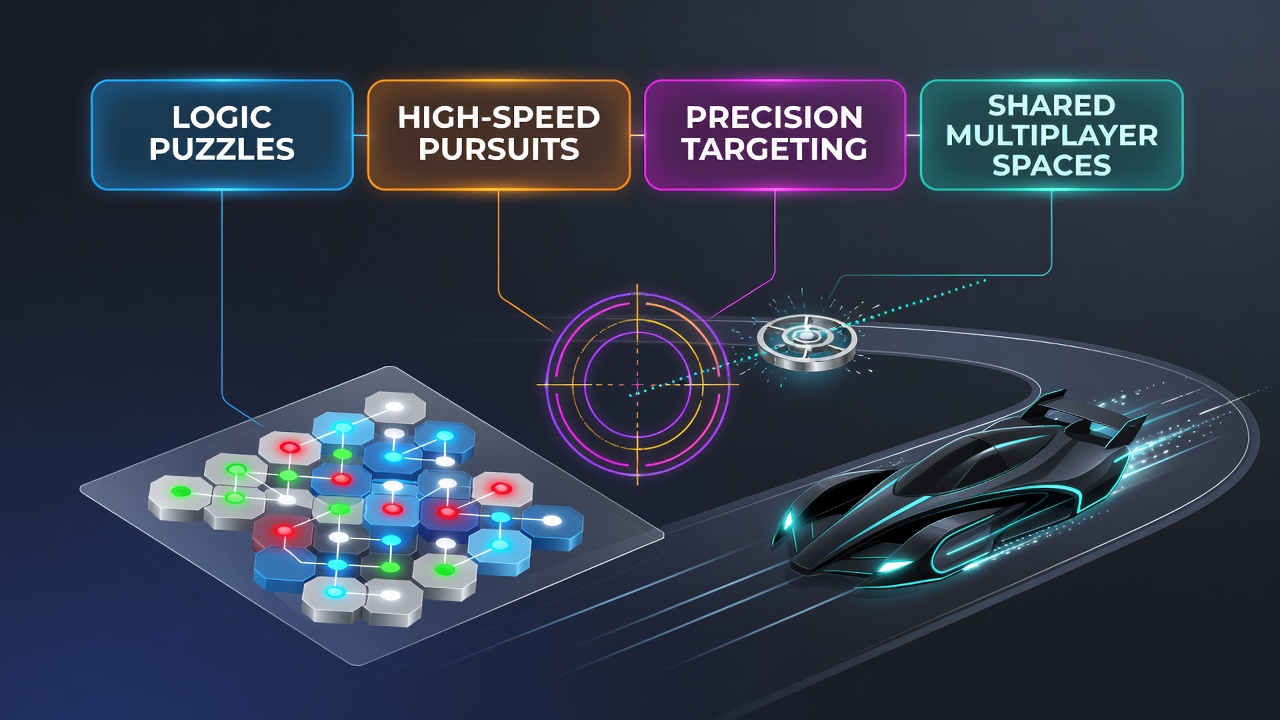
Tabbed browser interfaces have reshaped how players interact with free multiplayer games by allowing seamless switches between logic puzzles, high-speed pursuits, and precision targeting mechanics within the same session, and researchers have documented this shift across numerous platforms since the mid-2010s. Data from industry reports shows that browser-based environments now support simultaneous access to multiple game states without downloads, which enables groups to coordinate strategies while one participant solves a puzzle sequence and another engages in a pursuit sequence.
Mechanics of Tabbed Navigation in Gaming Environments
Players often maintain several open tabs that represent distinct gameplay layers, and this setup lets individuals toggle between a logic grid challenge and a targeting sequence while remaining connected to the same multiplayer lobby, according to figures from the Entertainment Software Association. Observers note that such navigation reduces downtime because the browser retains session data across tabs, which means teams can assign roles where one member calculates optimal paths in a puzzle tab and relays coordinates to teammates handling pursuit elements in another window.
Studies conducted at universities in North America and Europe indicate that tabbed systems lower the barrier for hybrid gameplay because users avoid reloading entire applications when shifting between mechanics, and this efficiency has contributed to increased session lengths reported in 2025 analytics. In November 2026, platform operators recorded a noticeable uptick in concurrent users experimenting with these blends after updates to tab management features rolled out across major browsers.
Genre Fusion Patterns Across Platforms
Free web portals have incorporated tabbed structures that fuse puzzle logic with racing tactics and shooter precision, which creates shared spaces where participants manage multiple objectives at once. One documented case involves a multiplayer arena where solvers complete pattern-matching tasks in one tab while pilots execute high-speed maneuvers in a second tab and marksmen adjust aim parameters in a third, all while voice channels link the efforts.
Research indicates that these configurations emerged from iterative design choices on no-install platforms, and evidence suggests the approach gained traction because it accommodates varied player preferences without forcing everyone into a single mechanic. Australian digital entertainment surveys from 2024 highlight similar patterns in regional servers, where tab usage correlates with higher retention rates among mixed-skill groups.

Coordination Challenges and Solutions
Shared multiplayer spaces built on tabbed interfaces require players to communicate tab states effectively, and this demand has led developers to embed simple indicators that display active mechanics across the group. Those who have studied these systems report that visual cues help teams avoid desynchronization when one participant switches tabs mid-pursuit, whereas others stay locked into targeting sequences.
Canadian regulatory bodies tracking digital media consumption note steady growth in browser gaming participation through 2026, with particular emphasis on the role of tabbed navigation in enabling complex interactions. The result is that alliances form between puzzle solvers, racer pilots, and marksmen more readily than in single-tab environments because the interface supports parallel task management without additional software layers.
Technical Foundations Supporting Hybrid Play
Modern browser engines handle multiple game instances through isolated tabs that maintain separate rendering pipelines yet share network connections for multiplayer synchronization, which allows the blending of logic elements with pursuit and targeting components. Figures reveal that this technical capability expanded significantly after HTML5 and WebGL advancements, enabling developers to host hybrid experiences that load quickly and run concurrently.
European Commission digital economy reports track how such features support broader access across devices, and data shows regions with strong browser infrastructure see faster adoption of these fused genres. Players frequently discover that switching tabs mid-session preserves progress in each mechanic, which sustains momentum in group activities where timing across puzzle solutions and precision shots matters.
Conclusion
Tabbed interfaces continue to influence the structure of free multiplayer browser games by facilitating unexpected combinations of logic puzzles, high-speed pursuits, and precision targeting in shared digital spaces, and ongoing platform updates suggest further refinements in session management will appear in coming cycles. Evidence from multiple regions confirms that these tools expand participation opportunities while maintaining the core demands of coordination and skill application across varied mechanics.