Web-Based Access Patterns: How Instant Platforms Enable Ongoing Player Transitions Between Puzzle Solving, Racing Maneuvers, and Strategic Multiplayer Combat
Uma Müller · Oct 9, 2026
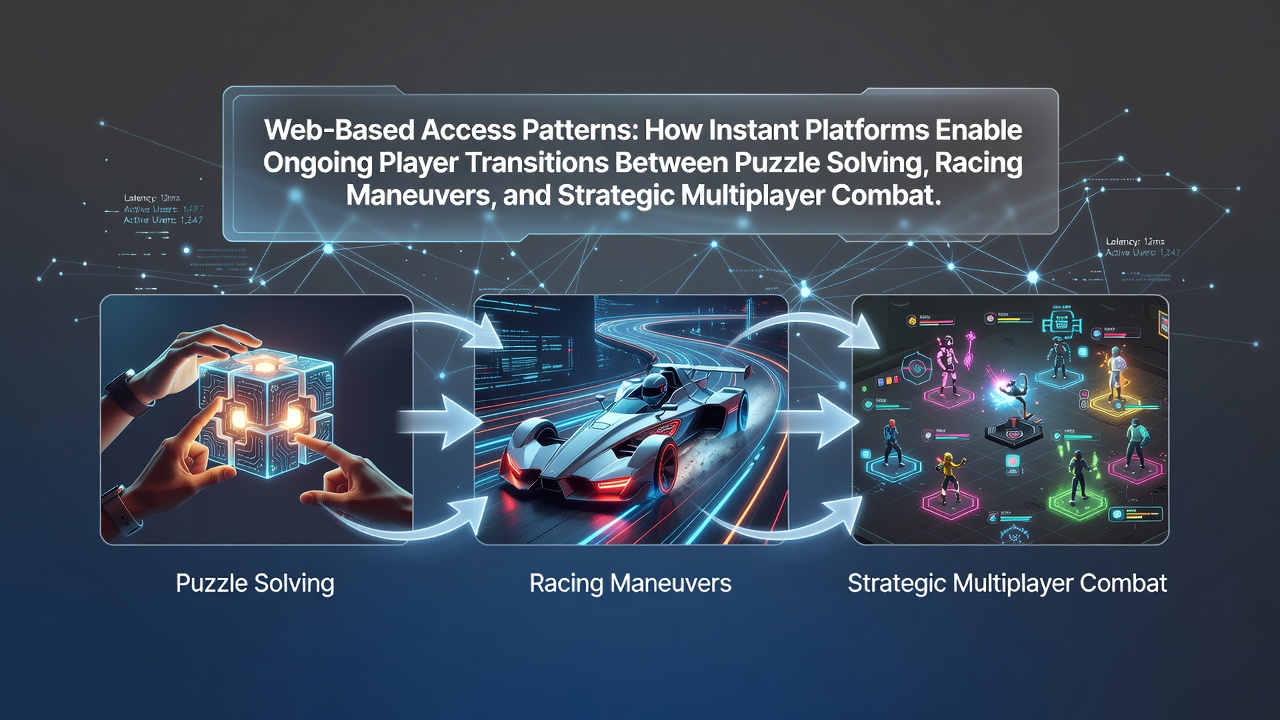
Web-Based Access Patterns: How Instant Platforms Enable Ongoing Player Transitions Between Puzzle Solving, Racing Maneuvers, and Strategic Multiplayer Combat
Browser platforms have developed access patterns that support fluid movement between distinct game types without requiring downloads or extended load times. These patterns rely on session management systems that preserve player progress across puzzle elements, racing sequences, and strategic combat modes. Data from industry reports shows browser-based gaming accounted for measurable portions of overall playtime in multiple regions during recent years. Platforms achieve this continuity through standardized web technologies including HTML5 and WebGL. Players complete a puzzle segment, then enter a racing mechanic on the same site while maintaining account-linked statistics. Research from the Entertainment Software Association indicates browser sessions often last longer when users can shift genres without interruption. This holds especially true for multiplayer environments where strategy elements integrate with individual challenges.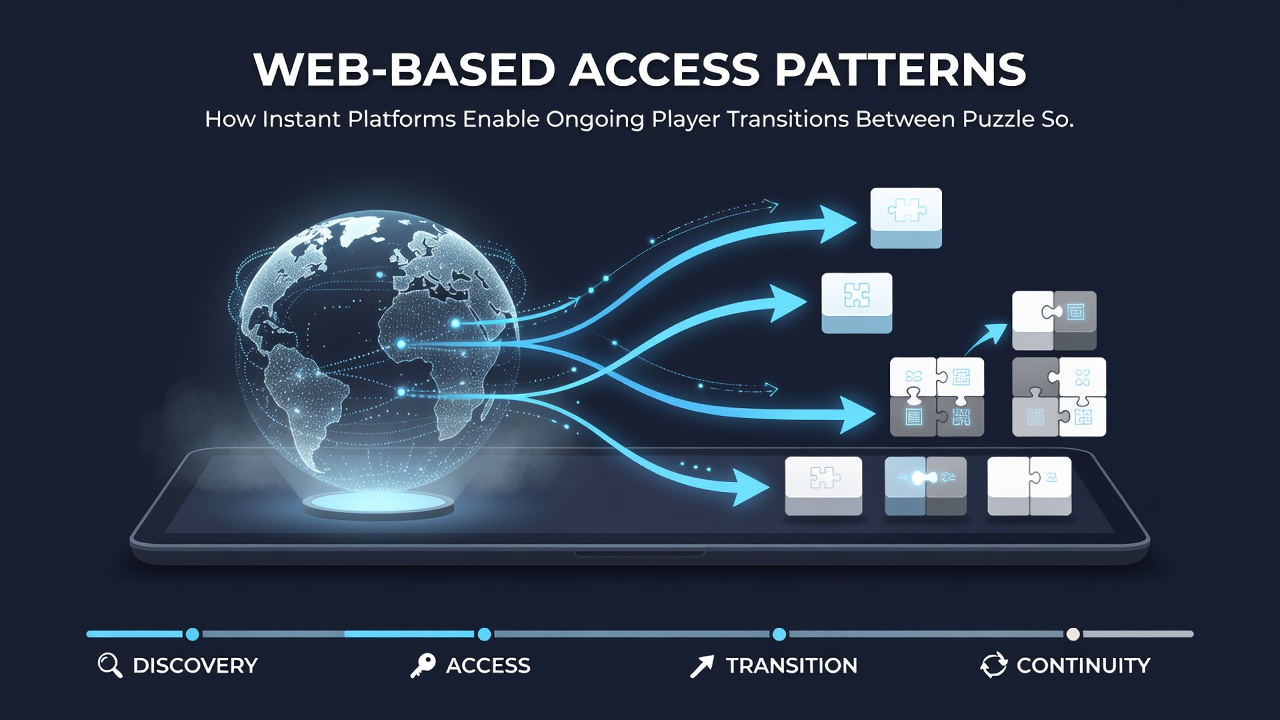
Browser platforms have developed access patterns that support fluid movement between distinct game types without requiring downloads or extended load times. These patterns rely on session management systems that preserve player progress across puzzle elements, racing sequences, and strategic combat modes. Data from industry reports shows browser-based gaming accounted for measurable portions of overall playtime in multiple regions during recent years. Platforms achieve this continuity through standardized web technologies including HTML5 and WebGL. Players complete a puzzle segment, then enter a racing mechanic on the same site while maintaining account-linked statistics. Research from the Entertainment Software Association indicates browser sessions often last longer when users can shift genres without interruption. This holds especially true for multiplayer environments where strategy elements integrate with individual challenges.Core Mechanisms Behind Seamless Transitions
Access patterns begin with centralized user profiles that sync data across game modes. A player solving logic-based puzzles stores completion metrics that influence racing performance variables or team strategy rankings. Web servers handle these transitions in real time, using APIs to load new assets while the previous session state remains active. Observers note that such systems reduce friction compared to standalone applications. Studies from academic sources highlight how cloud-based storage supports these flows. Figures from the Interactive Software Federation of Europe reveal increased engagement metrics when platforms offer combined genres. In practice, users move from solo puzzle tasks to group racing events and then to coordinated combat scenarios within single visits. Session logs demonstrate repeated cycling between these activities rather than isolated play blocks.Player Behavior Patterns Observed in 2026
As of October 2026, tracking data shows distinct sequences in how individuals navigate these environments. Many start with puzzle sections to build focus, shift to racing for quick reflexes tests, and conclude with multiplayer strategy matches that incorporate prior results. Platforms record these paths through analytics that inform content recommendations. Web technologies facilitate this by preloading compatible assets during active play. A racing maneuver might pull environmental data from a puzzle map, while strategic combat draws on speed metrics earned earlier. Those who have examined usage logs find that such interconnections keep users within browser ecosystems for extended periods. External factors like device compatibility also play roles, since mobile browsers handle the same transitions as desktop versions.